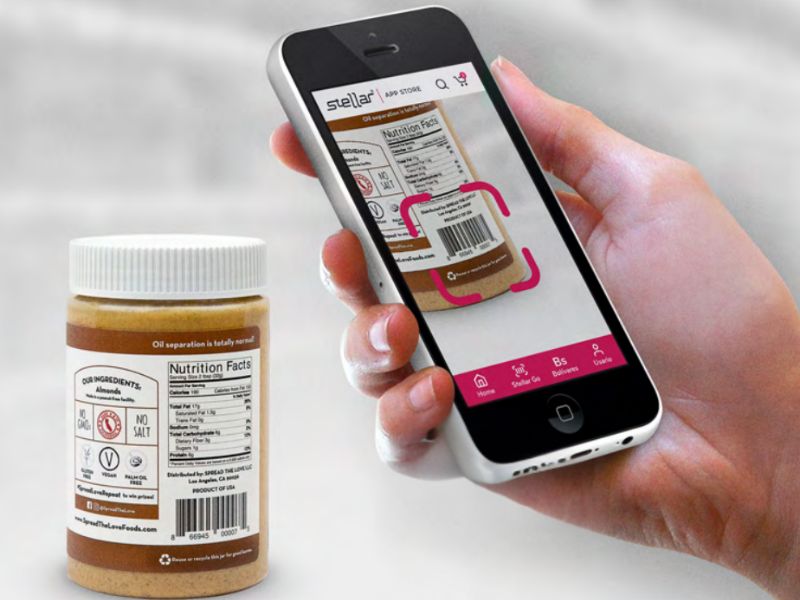
In 2018, headlines across the U.S. declared scan-and-go technology a failure. The idea seemed simple: let customers scan products with their smartphones, pay through an app, and skip the checkout line. Walmart, Kroger, and other retailers have tested it, but the results have been underwhelming. Adoption was low, theft was high, and customers often found it clunky. Walmart even discontinued its first rollout, citing “customer friction.”
Yet in 2025, scan-and-go is back on the agenda. This time, retailers are treating it as a standalone ecosystem of self-service, loyalty integration, and AI-powered oversight. From Sam’s Club in the U.S. to Carrefour in Europe, new pilots are proving that when designed strategically, scan-and-go can thrive.
1. Why Scan-and-Go Failed the First Time
Understanding the comeback means looking back at why the first wave collapsed.
- Fraud and shrinkage: Without oversight, some shoppers abused the system, skipping items or falsifying scans. Losses in specific pilots were 20–40% higher than in staffed lanes.
- Poor user experience: The apps were buggy, Wi-Fi coverage in stores was weak, and checkout was often slow. Customers asked: “Why bother if it’s more work than the cashier?”
- Lack of staff training: Associates lacked knowledge on how to promote or support the service, resulting in many shoppers being unaware of its existence.
The verdict? The concept wasn’t wrong; the execution was..
2. What Fixed It in 2025
Today’s scan-and-go looks very different. Retailers learned from past mistakes and invested in infrastructure, integration, and human support.
a) Smarter Security with Vision AI
Fraud deterrence is no longer limited to random audits. Retailers now utilize computer vision and AI to monitor customer behavior in real-time. Cameras validate whether items in carts match scans, flagging suspicious patterns. This reduces shrinkage without disrupting honest customers. Some pilots report shrink reductions of 25–30% compared to early models.
b) Integration with Loyalty Ecosystems
The standalone “scan-and-go app” is a service that lives inside existing loyalty apps.
- Sam’s Club Scan & Go in the U.S. is a success because it ties into the membership rewards program. Adoption rates reportedly exceed 50% of trips in some stores.
- Carrefour in Europe integrates scan-and-go with loyalty points and promotions, making it part of everyday savings.
By embedding mobile checkout in something customers already value, adoption skyrocketed.
c) Redesigned Store Journeys
Instead of forcing customers to “prove” themselves at the exit, retailers now build dedicated scan-and-go lanes where staff act as hosts. This hybrid model reassures shoppers while reducing bottlenecks. Associates, sometimes referred to as mobile checkout ambassadors, verify receipts, answer questions, and encourage customers to use the service.
d) Better Connectivity
With in-store 5G and reliable Wi-Fi, the technical glitches of early deployments are fading. Fast connectivity ensures scanning feels seamless.
3. Where It Works Best
Not every retail format benefits equally. But in 2025, three segments stand out:
- Membership Clubs: Sam’s Club in the U.S. is the poster child. Because all shoppers are verified members, risk is lower and benefits are more apparent. Costco is watching closely.
- Convenience Stores: Speed is the ultimate currency. In Japan and the U.K., small-basket convenience stores report high adoption of mobile checkout.
- Urban Grocers: Carrefour, Auchan, and Tesco have integrated scan-and-go technology into city-center stores, allowing shoppers to grab and go.
Where it still struggles: high-shrink environments, deep-discount retailers, and markets with lower smartphone penetration.
4. The U.S. Market Perspective
In the U.S., the comeback is cautious but real. Walmart has selectively reintroduced scan-and-go in pilot markets with tighter safeguards. Kroger continues to experiment with app-based checkout, particularly in urban stores. 7-Eleven is testing its own mobile checkout in select locations.
The winning formula appears to be hybrid adoption:
- Scan-and-go for small baskets and tech-friendly shoppers.
- Self-checkout or staffed lanes for larger baskets and customers who are less tech-comfortable.
This choice architecture gives flexibility without alienating customers.
5. Current Challenges Retailers Face
Even with improvements, challenges remain:
- Fraud prevention: AI reduces shrinkage, but it requires upfront investment in cameras and software.
- Staff training: Associates must shift from “cashiers” to ambassadors, encouraging adoption while providing oversight.
- Customer trust: Some shoppers remain skeptical that retailers need to communicate clearly about savings and speed.
- POS integration: Legacy systems must adapt to real-time mobile transactions, which can be challenging.
These hurdles mean scan-and-go won’t be universal overnight. But for specific segments, the ROI is now clear.
6. Leadership Lessons from the Comeback
From my perspective as someone building retail tech, scan-and-go’s comeback carries leadership lessons that apply to any innovation:
- Iteration is not failure. Early setbacks were painful, but they provided the insights that enabled the current comeback.
- Integration is key. No technology succeeds as a standalone. Embedding scan-and-go, payments, and store design makes it sticky.
- People drive adoption. Ambassadors at exits, store managers promoting the service, and associates trained in hospitality, not just enforcement, are what make customers trust the system.
- Context matters. What works in Sam’s Club may not work in a dollar store. Leaders must know their format and be able to adapt.
Conclusion
he return of scan-and-go proves a simple truth: innovation rarely succeeds on the first try. What failed in 2018 is thriving in 2025 because leaders learned, adapted, and built the right ecosystem.
For retailers, the choice is no longer whether scan-and-go can work; it’s whether they are ready to invest in the infrastructure, training, and customer journey that make it succeed.
Are you considering scan-and-go for your retail strategy?
Connect with me on LinkedIn
Retail tech leader and Chief Biwitech Development Officer at Bigwise Corp. I design and scale smart hardware solutions for self-service, automation, and retail innovation.
Currently nominated for the WomenTech Global Awards 2025 in recognition of leadership and impact in retail technology


Leave a Reply